


APR Expands PCR Certification to Verify Recycled Content Across the Plastics Supply Chain


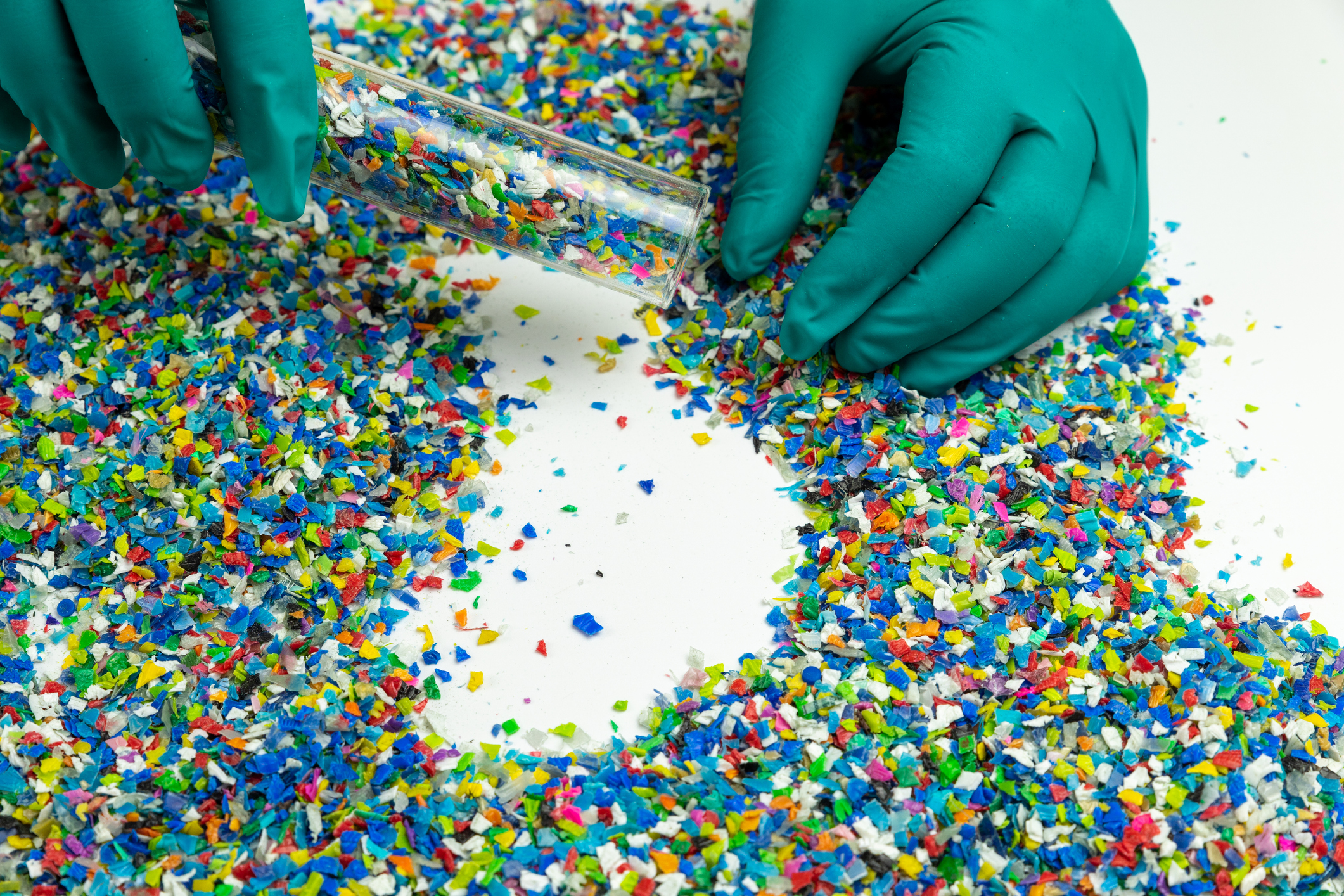
According to industry reports, the Association of Plastic Recyclers (APR) has expanded its Post-Consumer Recycled (PCR) Certification Program to verify the recycled content of finished and semi-finished plastic products, extending third-party certification across the plastics supply chain.
Previously focused on certifying PCR resin produced by recyclers in pellet or flake form, the program now covers manufacturers, brand owners, brokers, distributors, traders and other organizations that buy, sell or process post-consumer recycled plastics. The expansion is intended to strengthen accountability and improve confidence in recycled-content claims as regulatory and market demand for verified PCR continues to increase.
The new producer standard is built on ISO chain-of-custody and traceability requirements, providing a standardized process to verify both the presence and percentage of post-consumer recycled plastic used in products. Companies that achieve certification will be included in the APR Certified PCR Directory, creating a verified source for organizations seeking products and packaging containing certified recycled content.
The expanded certification framework enables companies throughout the value chain to substantiate recycled-content claims through independent third-party verification, supporting greater transparency in the plastics market.
Rita Phillip, Program Director for APR PCR Certification, said extending the program beyond recyclers will strengthen confidence in recycled-content claims while meeting growing industry expectations for transparency and accountability.
APR said the certification standard is aligned with RecyClass’s Recycled Plastics Traceability Certification standard, helping to harmonize recycled-content verification practices across North America and Europe and supporting companies operating in multiple regulatory markets.
Steve Alexander, President and Chief Executive Officer of APR, said using post-consumer recycled plastic in new products is an effective way to reduce plastic waste and decrease reliance on virgin resin. He noted that because recycled plastic cannot be distinguished visually from virgin material, independent third-party certification plays an important role in validating recycled-content claims.
The program expansion comes as governments, brand owners and packaging producers face increasing pressure to demonstrate compliance with recycled-content requirements and improve traceability across plastics supply chains.
Source: APR
SUNSHINE Spotlight: APR’s expanded PCR Certification Program broadens independent verification of recycled-content claims, helping companies improve traceability and support growing regulatory requirements for recycled plastics.


