


EU Implements New Steel Import Quota System to Address Global Overcapacity


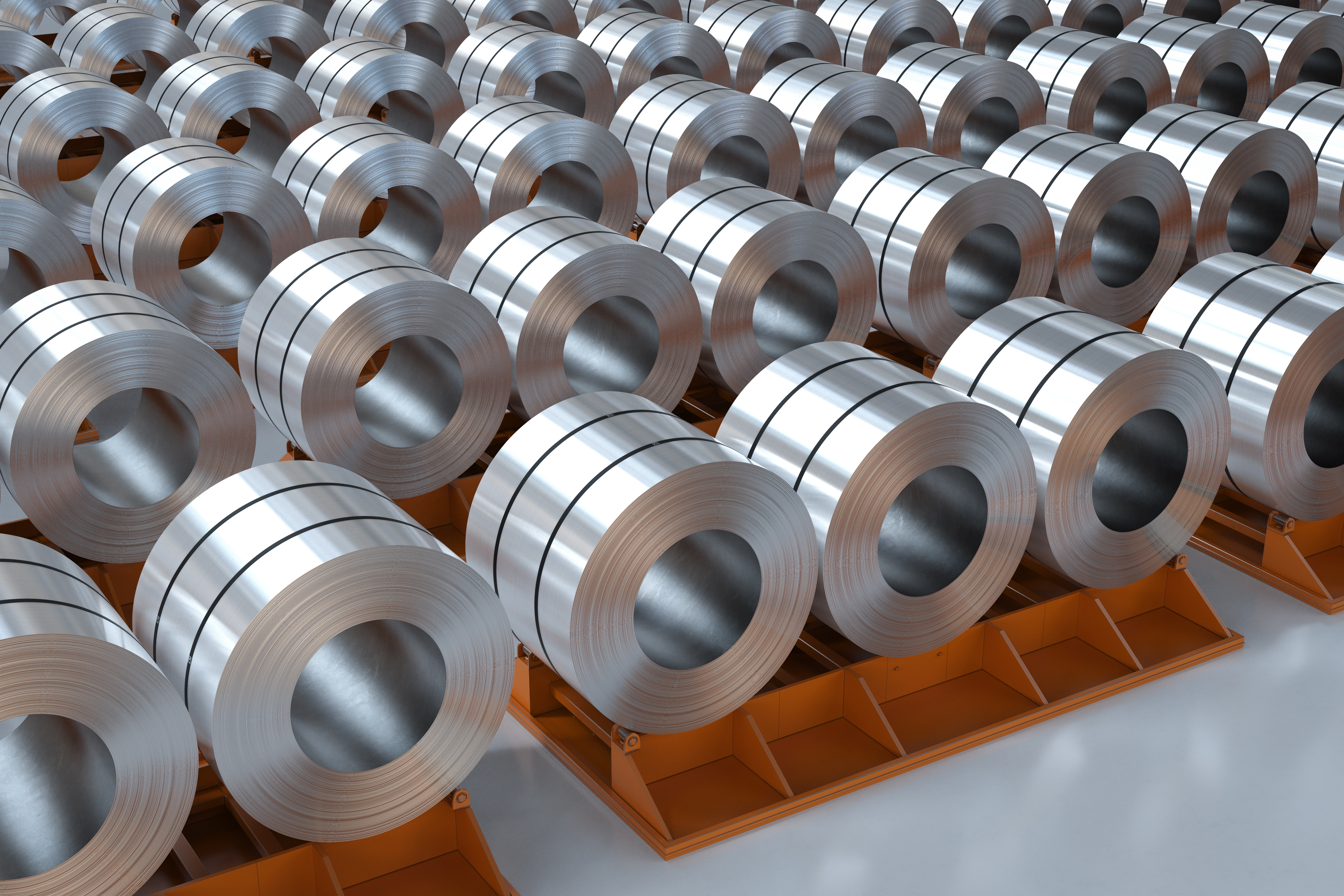
The European Commission has brought into force a new steel import regulation aimed at limiting the impact of global overcapacity on the European Union’s steel industry, introducing reduced tariff quotas, higher out-of-quota duties and new traceability requirements.
The measure replaces the EU’s previous steel safeguard, which has now expired, and establishes a new framework designed to manage imports of 26 categories of steel products. Under the system, annual tariff-free import quotas are set at 18.3 million tonnes, with imports exceeding those levels subject to a 50% duty.
The Commission said the policy is intended to restore fair competition in a global market affected by persistent overcapacity, while preserving predictable access for trading partners and supply stability for European steel users.
As part of the implementing regulation, tariff-rate quotas have been allocated to trading partners based on criteria defined in the EU Steel Regulation. Half of the total quota is reserved for free trade agreement (FTA) partners, while the remaining volume is open to all suppliers, including those within FTA arrangements.
According to the Commission, around 80% of EU steel imports originate from FTA partners, and the design of the system aims to minimize disruption for those countries while still reducing overall import exposure. The Commission estimates the new framework will result in an average 47% reduction in market access compared with previous arrangements.
The regulation also introduces new traceability requirements, requiring importers to disclose information on the “melt and pour” stage of steel production. The measure is intended to improve transparency across the steel supply chain and support enforcement of trade rules.
The European Commission said the policy follows consultations with trading partners under World Trade Organization procedures, including Article XXVIII GATT negotiations, with several partners provisionally agreeing to their quota allocations.
Due to the urgency of implementation, the regulation has been adopted under an accelerated procedure. Member states will vote within 14 days of adoption, and the measure will remain in force for up to six months before being reassessed under the standard EU comitology process later in 2026.
The Commission linked the measure to broader EU industrial policy objectives, including the Competitiveness Compass and the Steel and Metals Action Plan, which identified steel as a strategic sector requiring targeted trade and decarbonization support.
It also referenced ongoing efforts since the 2018 safeguard measure, initially introduced to limit trade diversion and prevent market disruption from rising imports.
Source: European Commission
SUNSHINE Spotlight: The EU’s new steel regime combines tighter import quotas, higher tariffs and traceability requirements as part of a broader effort to counter global overcapacity while maintaining controlled access for key trading partners.


