


Rivian and Redwood Materials Expand Partnership to Cover Battery Reuse and Recycling


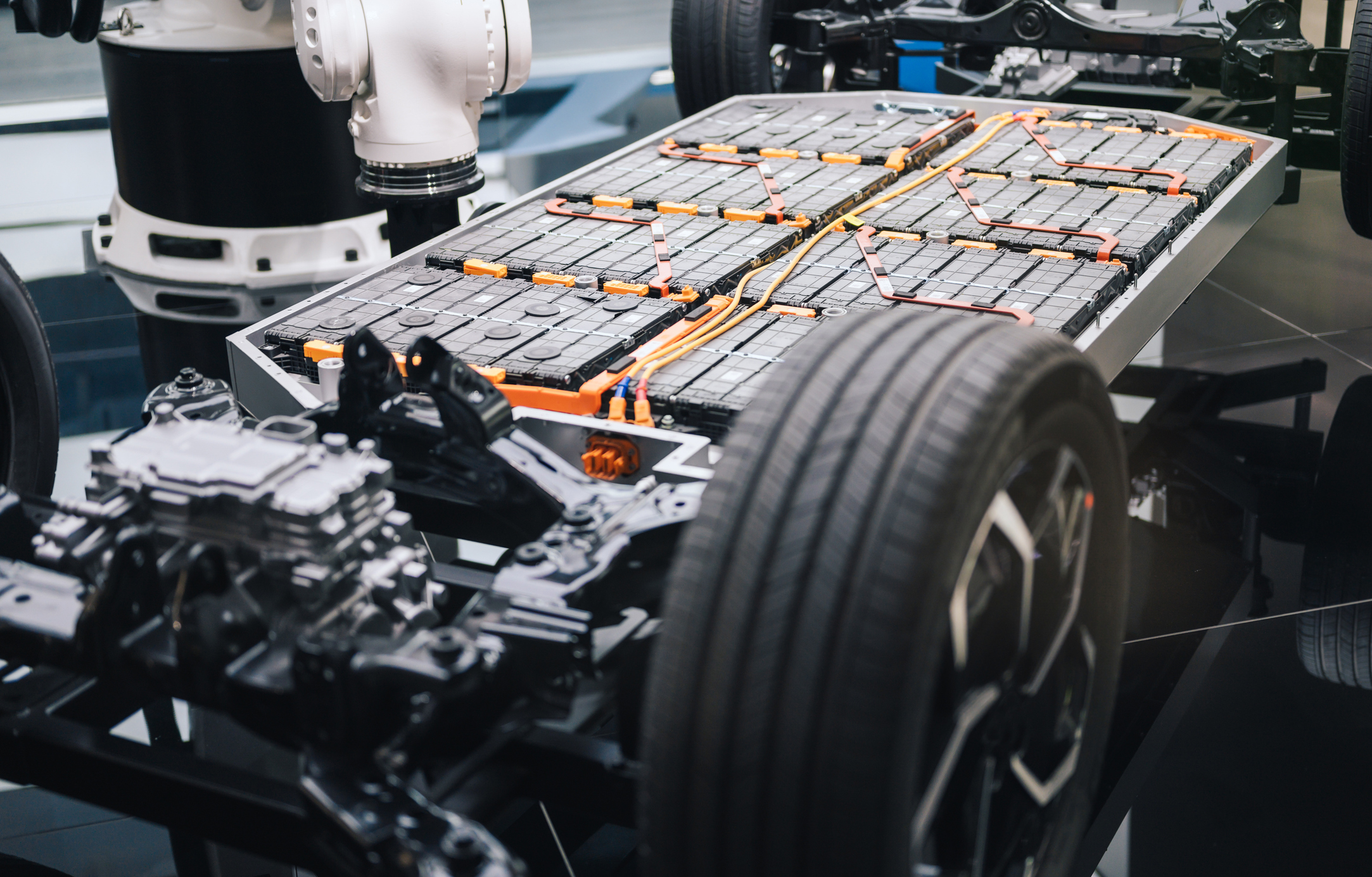
Rivian and Redwood Materials have expanded their partnership to include battery manufacturing scrap, end-of-life electric vehicle (EV) batteries, and stationary energy storage. The arrangement gives Rivian additional options for managing batteries after they leave vehicles or production lines, while allowing Redwood to recover materials and redeploy usable battery packs.
Under the expanded agreement, Redwood will collect Rivian battery packs that are no longer suitable for vehicle use through the automaker’s nationwide service network. Each pack will be evaluated to determine whether it can be reused in stationary energy storage systems or should proceed directly to recycling. The systems may be deployed at Rivian’s manufacturing facilities or other locations.
The partnership also covers battery scrap generated during Rivian’s manufacturing operations. Materials that cannot be reused, along with batteries that have reached the end of their useful life in storage applications, can enter Redwood’s recycling process. The company says its technology can recover more than 95% of key materials, including lithium, nickel, cobalt and copper, supporting the domestic supply of battery materials.
The expanded agreement builds on a collaboration announced in April 2026, when the two companies outlined plans for a 10-megawatt-hour (MWh) energy storage system at Rivian’s manufacturing plant in Normal, Illinois. The project uses repurposed Rivian battery packs to provide electricity when needed, helping manage peak demand and reduce pressure on the local power supply.
EV batteries can retain useful capacity after they are no longer suitable for powering vehicles. Reusing these packs in stationary storage can extend their service life before the materials are eventually recovered. The approach also offers manufacturers another potential source of energy storage as electricity demand rises and new grid infrastructure can take years to secure.
For Rivian, the expanded partnership brings battery collection, reuse and recycling under one arrangement. For Redwood, it adds manufacturing scrap and retired vehicle batteries to the material streams available for recovery and energy storage applications.
The agreement reflects a growing effort among automakers and recycling companies to manage batteries across multiple stages of their lifecycle, rather than treating reuse, storage and recycling as separate processes.
Source: Rivian
SUNSHINE Spotlight: Rivian and Redwood Materials have expanded their partnership to cover battery manufacturing scrap, end-of-life EV battery collection, second-life energy storage and recycling, creating more options for extending battery use and recovering valuable materials.


