


Rio Tinto Backs National Push to Recycle Giant Mining Tyres


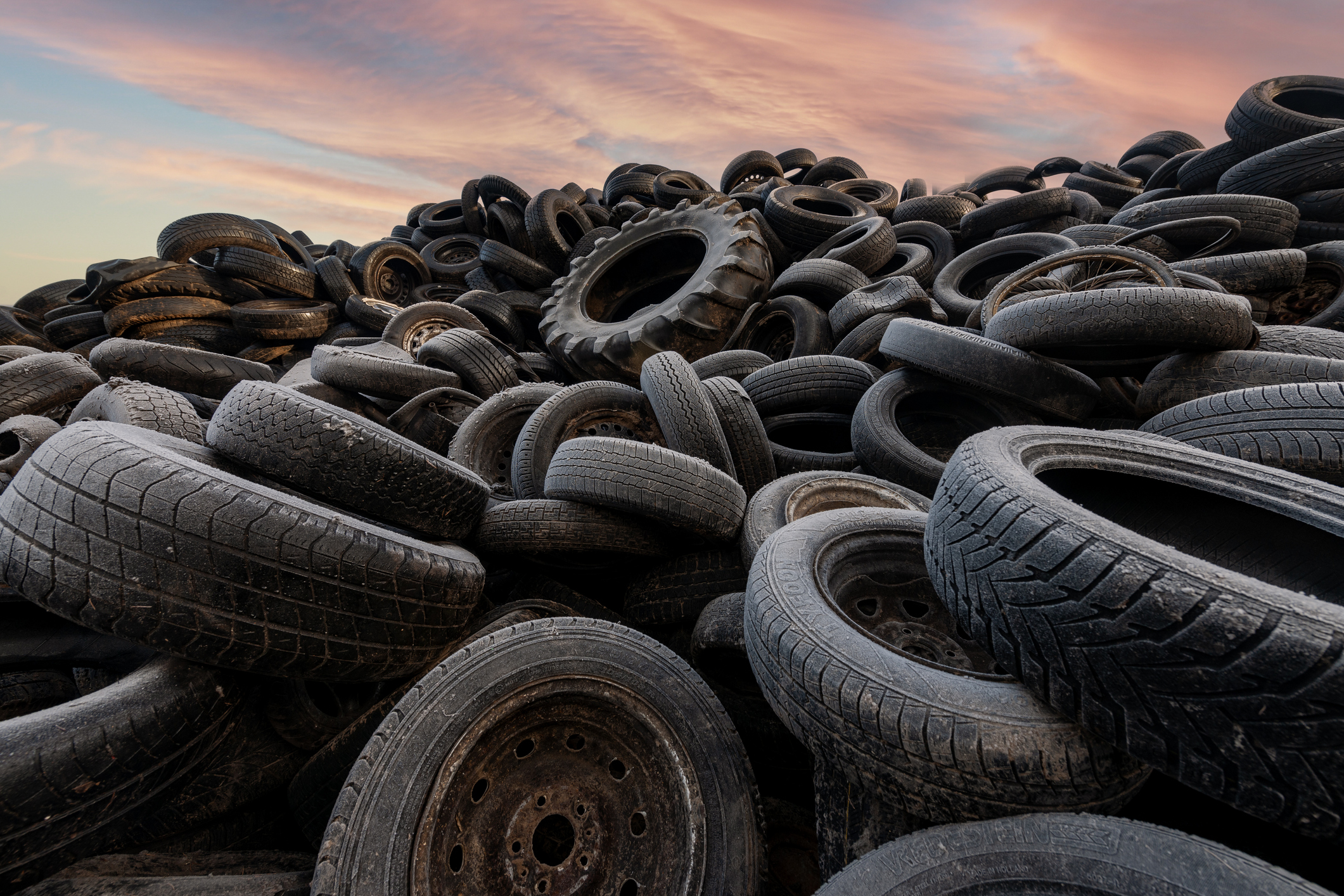
Rio Tinto has entered a partnership with Tyre Stewardship Australia to expand recycling options for oversized mining tyres and conveyor belts, targeting a waste stream that has long been considered difficult to recover at scale, according to industry reporting from the two organisations.
Oversized off-the-road tyres used in mining can exceed two metres in diameter and weigh several tonnes, a design that delivers durability but complicates disposal. In Australia, an estimated 245,000 tonnes of mining tyres, belts and tracks reach end of life each year, yet recovery rates remain low compared with passenger and truck tyres, data published by Tyre Stewardship Australia show. Analysts say the gap reflects both logistical barriers at remote sites and limited downstream processing capacity.
Extended producer responsibility schemes have lifted recycling rates for smaller tyres over the past decade, but mining materials have largely fallen outside those systems. Observers note that growing scrutiny of mine closure practices and land rehabilitation has renewed pressure on operators to reduce long-term stockpiling and landfill use, particularly as regulators tighten environmental conditions on legacy sites.
The partnership is designed to test commercially viable recovery pathways rather than one-off clean-ups. A key early trial took place at the former Argyle diamond mine in Western Australia, which closed in 2020. After feasibility and technology assessments, more than 800 tonnes of end-of-life tyres and conveyor belts were removed from the remote site in 2023 and processed into rubber crumb for use in road construction, project partners said.
Industry participants involved in the trial argue that demonstrating transport, processing and end-market demand together was critical. Recycling specialists say the project helped validate that mining tyres can be integrated into existing rubber recovery streams when sufficient volumes and planning certainty are available.
Following the Argyle project, Rio Tinto has expanded similar initiatives across several Australian operations, including aluminium and bauxite sites in Queensland and a conveyor belt recycling pilot in the Northern Territory. Additional proof-of-concept trials have been completed at iron ore operations in the Pilbara, supported by newly established regional recycling facilities.
Company officials say the work could eventually reduce reliance on virgin rubber products and lower the footprint of on-site stockpiles, which often persist for decades after production ends. Industry groups also point to potential spillover benefits, noting that investments in heavy-tyre logistics and processing could improve collection options for agricultural and other industrial tyres.
Looking ahead, analysts caution that broader adoption will depend on consistent policy signals, stable end markets for recycled rubber and cost competitiveness with disposal. Even so, observers note that large miners backing repeatable recycling models may help shift the economics of a waste stream once considered unavoidable.
Source: Tyre & Rubber Recycling
SUNSHINE Spotlight: Large-scale mining tyre recycling trials are beginning to show that even the heaviest industrial waste can be folded into a workable circular economy.


