


Global Crude Steel Production Declines in April Amid Weaker Market Conditions


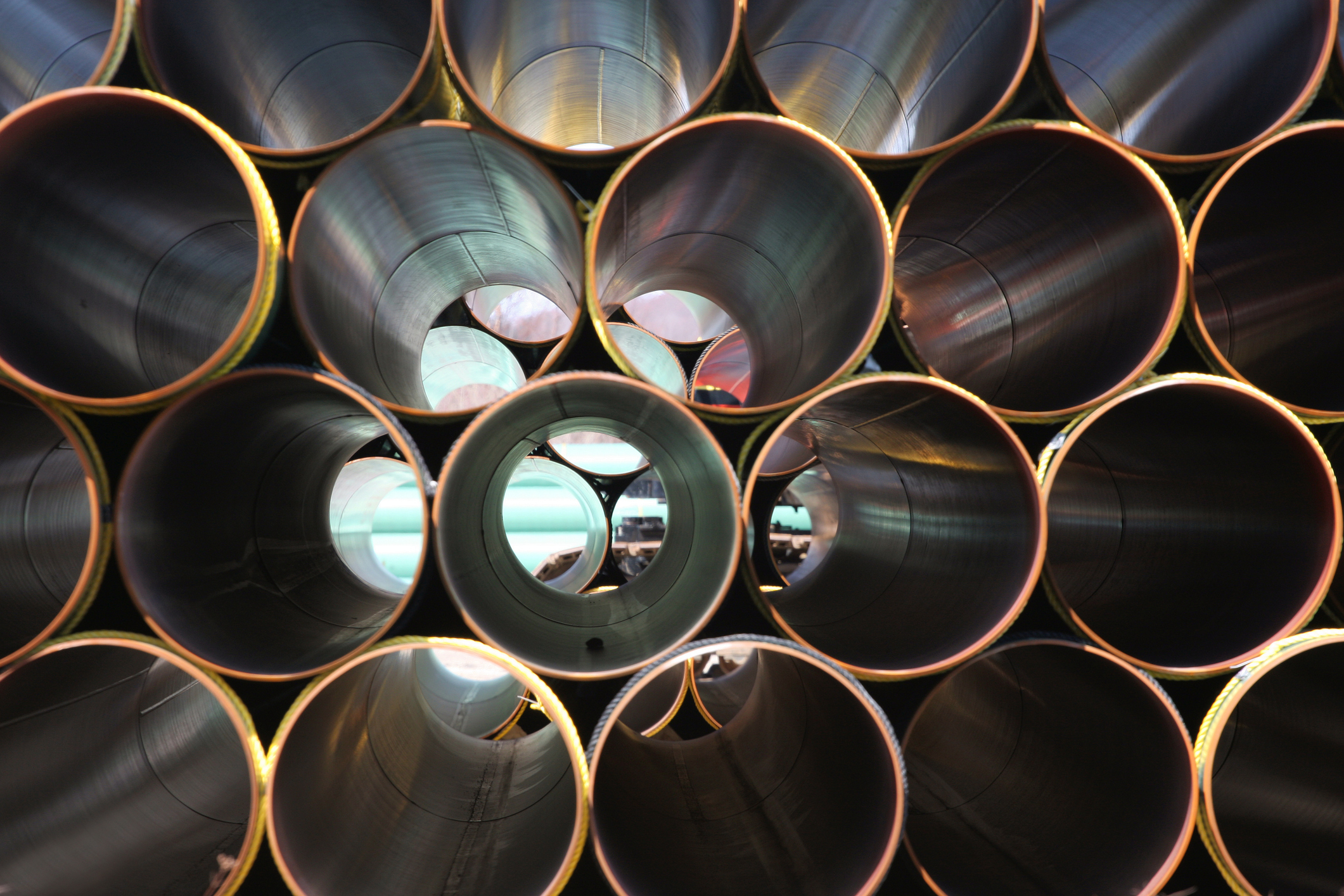
Global steel production moved lower in April 2026 as weaker output in China and Russia outweighed gains in key markets such as India, the United States and Germany, highlighting growing divergence across the international steel sector amid trade tensions and shifting demand patterns.
According to the World Steel Association, crude steel production across 69 reporting countries totaled 153.4 million metric tons in April, down 1.9 percent year over year and 4 percent from March levels. The decline reflects softer activity in several major producing regions, particularly Asia and the Middle East, even as North America and parts of Europe posted stronger results.
China, the world’s largest steel producer, manufactured 83.6 million metric tons in April, down 2.8 percent from a year earlier and nearly 4 percent lower than March output. The slowdown in Chinese mills accounted for more than half of the global monthly decline, underscoring China’s continued influence on worldwide steel supply and pricing trends.
Russia also recorded a steep contraction, with estimated production falling 12.4 percent year over year to 5 million metric tons, while Middle Eastern output plunged 27.6 percent amid ongoing geopolitical instability and supply disruptions tied to the regional conflict.
Despite the broader downturn, several key steel-producing nations expanded output. India increased crude steel production by 3.9 percent year over year to 13.8 million metric tons, extending its position as the world’s second-largest producer. Germany and the United States each posted gains above 9 percent, while Türkiye and Vietnam also reported solid growth.
North America emerged as one of the strongest-performing regions in April, with output rising 6.9 percent year over year to 9.4 million metric tons. U.S. mills maintained production at 7.2 million metric tons month over month despite the shorter April calendar, signaling relatively stable domestic demand and resilient manufacturing activity.
The latest figures come as governments increasingly move to shield domestic steel industries from rising global overcapacity. The European Parliament recently approved new steel safeguard measures that would significantly reduce tariff-free import quotas beginning in July 2026, while the American Iron and Steel Institute reported that finished steel imports into the U.S. remained elevated in April despite year-to-date declines.
Industry analysts continue to monitor how geopolitical risks, energy costs and trade policies may affect steel production in the second half of 2026. While slowing Chinese output could ease some pressure on global oversupply, stronger infrastructure and industrial demand in markets such as India and the United States may continue to support regional steel production growth.
Source: worldsteel
SUNSHINE Spotlight: Global steel production weakened in April as China and Russia cut output sharply, while rising production in India, the U.S. and Europe highlighted increasingly uneven recovery trends across the steel market.


