


EU Packaging Regulation Takes Effect With New PFAS Restrictions for Food-Contact Packaging


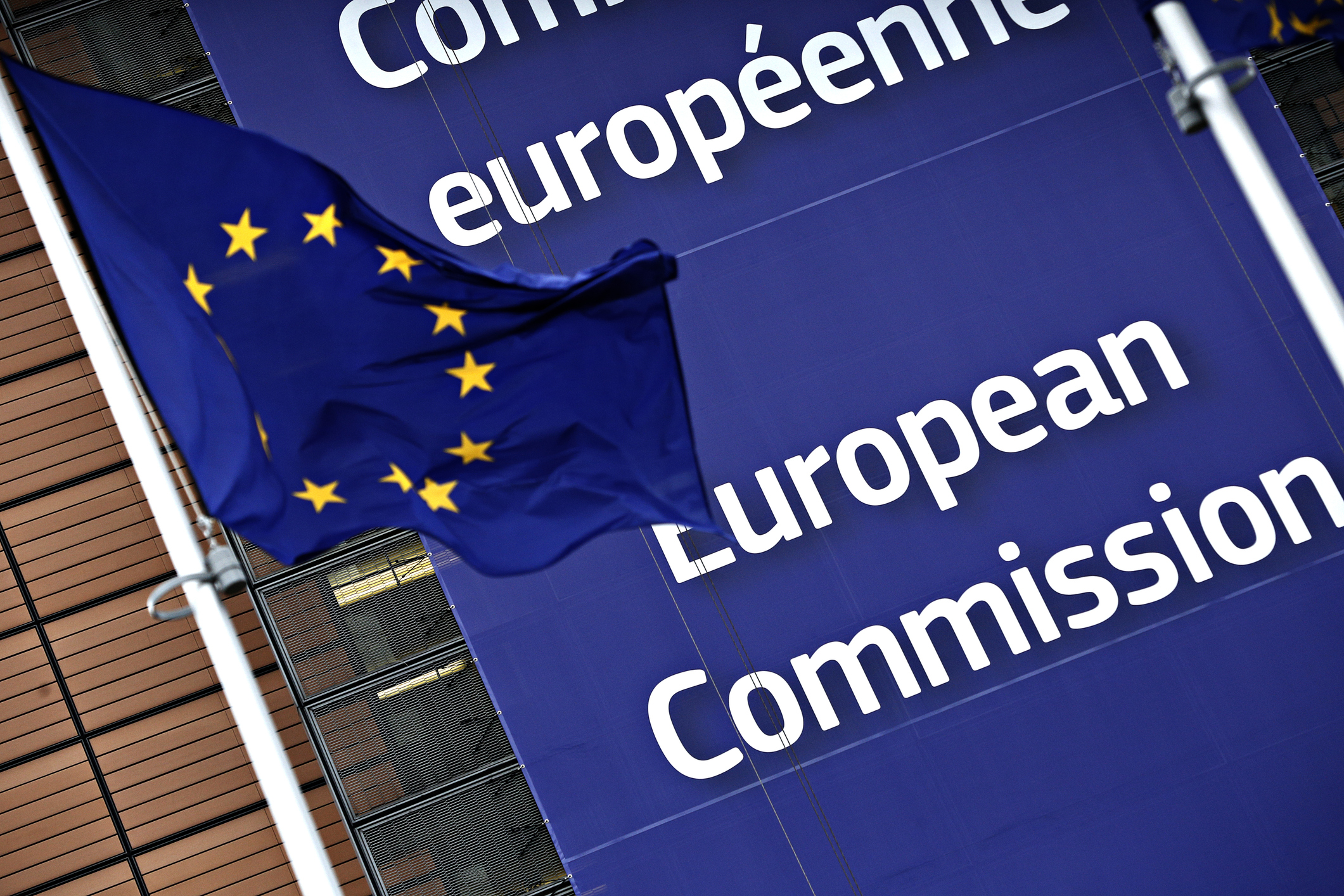
The European Union’s Packaging and Packaging Waste Regulation (PPWR) began applying across the bloc on August 12, introducing common rules for packaging and packaging waste and new restrictions on per- and polyfluoroalkyl substances (PFAS) in food-contact packaging. The regulation establishes a harmonized framework covering the packaging life cycle, with the aim of reducing waste, improving recycling and creating more consistent requirements for businesses operating across EU markets.
A key measure taking effect is the restriction on PFAS in food-contact packaging. Packaging containing PFAS above specified limits can no longer be placed on the EU market. PFAS are a group of highly persistent chemicals that have been used in products such as takeaway containers, fast-food wrappers, microwave popcorn bags, bakery paper and pizza boxes because of their resistance to grease and water.
The European Commission said the restriction is intended to reduce exposure to persistent chemicals and limit their release into the environment. The measure also adds a new compliance requirement for packaging manufacturers, converters and businesses placing food-contact packaging on the EU market.
The PPWR replaces a patchwork of national packaging requirements with a common EU framework covering packaging design, waste management and material recovery. The Commission expects greater regulatory consistency to reduce barriers for companies operating across borders while supporting investment in recycling and other circular packaging technologies.
“The new Packaging and Packaging Waste Regulation is an investment in Europe’s future: it will help reduce waste, increase recycling, make food-contact packaging safer for consumers by limiting harmful substances such as PFAS, and reduce our dependence on virgin raw materials,” said Jessika Roswall, Commissioner for Environment, Water Resilience and a Competitive Circular Economy.
Further requirements will be introduced in stages. From 2028, a harmonized EU packaging labeling system will be introduced to support waste sorting and improve the efficiency of recycling and composting systems.
Additional measures will apply from 2030, including limits on empty space in certain packaging, restrictions on selected single-use plastic formats and reuse targets. The regulation will also introduce requirements for recycled plastic content in new plastic packaging and require packaging to meet recyclability requirements.
The PPWR entered into force in February 2025, with its provisions being phased in from August 12, 2026. The regulation was developed in response to projected growth in EU packaging waste, with the European Commission previously estimating that packaging waste could increase by 19% by 2030 without further action, while plastic packaging waste could rise by as much as 46%.
For the recycling and packaging industries, the regulation is expected to increase demand for recycled materials and strengthen the market for secondary raw materials. By setting requirements across the packaging life cycle, the EU aims to reduce reliance on virgin resources while improving material recovery and supply chain resilience.
The European Commission published implementation guidance in March 2026, including information for businesses and national authorities on the new PFAS requirements. Further secondary legislation is expected as the remaining PPWR provisions are phased in.
Source: EU Commission
SUNSHINE Spotlight: The PPWR’s first major requirements increase pressure on packaging producers to control PFAS use, improve recyclability and prepare for higher recycled-content and circularity requirements from 2030 onward.


