


SMART Warns Proposed Pakistan EPZ Rules Could Disrupt Global Textile Recycling Trade


Proposed changes to Pakistan’s Export Processing Zone (EPZ) regulations could threaten the country’s textile recycling industry and disrupt global used clothing supply chains, according to the Secondary Materials and Recycled Textiles Association (SMART).
The U.S.-based industry association said pending legislation would prohibit companies operating in Pakistan’s EPZs from selling recycled textile products into the domestic market, removing a key commercial outlet that many recycling businesses rely on to remain economically viable.
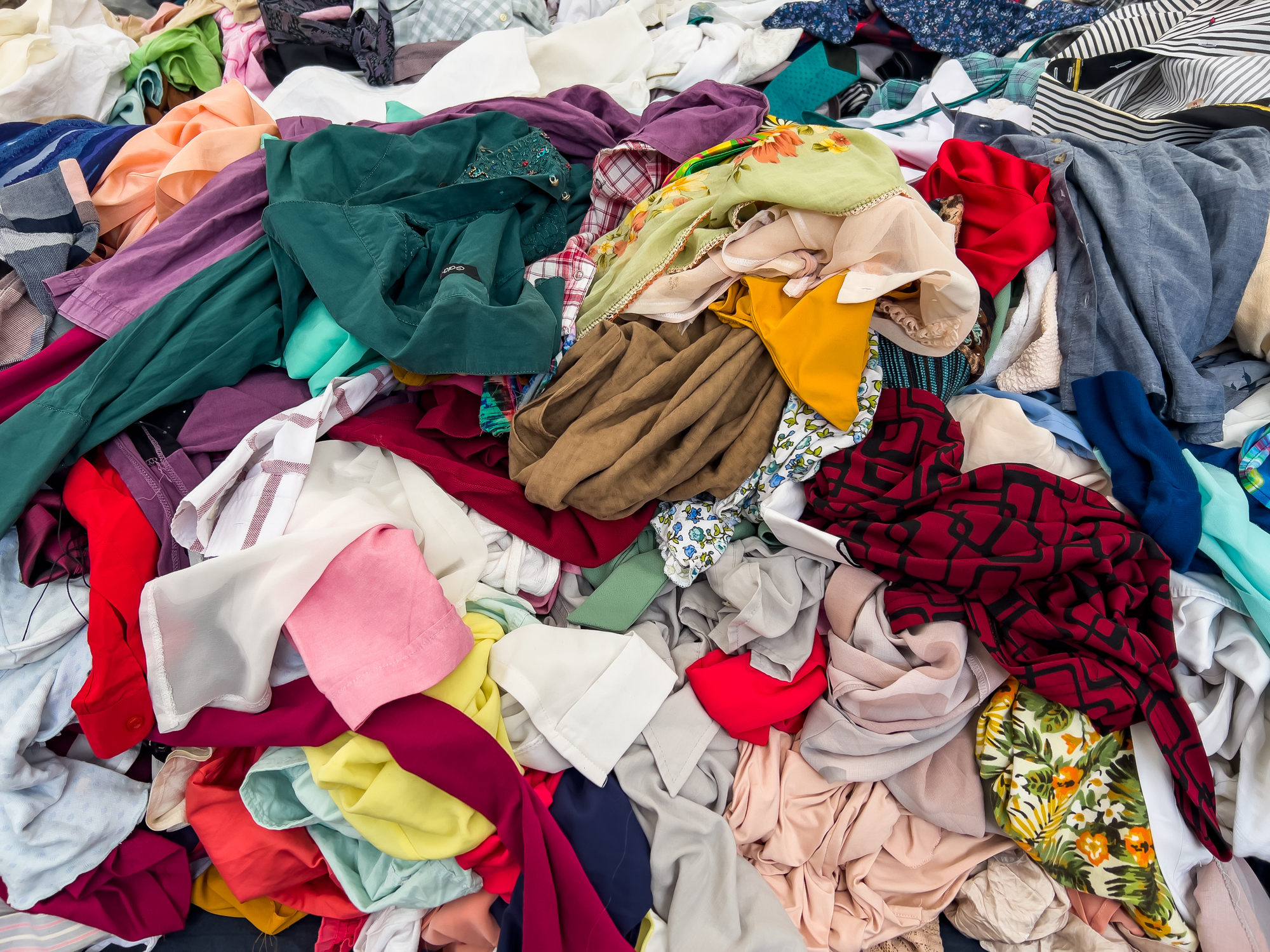
Pakistan has become a major processing hub for the global used textiles and clothing (UTC) industry. Companies operating within the country’s EPZs import, sort, grade, recycle and re-export used clothing and textile materials to markets across Asia, Africa and other regions.
Under the current 80/20 EPZ framework, businesses are required to export at least 80% of their production while being permitted to sell up to 20%, by value, into Pakistan’s domestic tariff area after paying the applicable duties, taxes and regulatory charges.
According to SMART, the Pakistani government is considering eliminating this domestic sales allowance as early as September 2026.
The association warned that removing the limited domestic market could make many existing recycling operations financially unsustainable, with consequences extending beyond Pakistan’s textile sector.
SMART estimates that more than 500,000 metric tonnes of used clothing are exported annually from the United States and Canada to Pakistan for sorting, reuse and recycling. Much of this material originates from charitable organizations and community collection programs that depend on downstream resale and recycling markets to generate revenue and offset collection costs.
If Pakistan’s recycling capacity is significantly reduced, collectors in North America and other exporting countries could face higher processing costs and fewer end markets for recovered textiles. Without sufficient alternative recycling capacity, larger volumes of used clothing could be stockpiled, landfilled or incinerated, the association said.
SMART, headquartered in Alexandria, Virginia, said it is working with affected members in Pakistan to seek a solution that would preserve existing recycling operations while addressing the government’s policy objectives.
Steven Bethell, a member of SMART’s board, said the proposed reforms could undermine long-established recycling businesses that have invested under the current regulatory framework. He added that effective textile recycling requires viable markets for every grade of recovered material, and removing the domestic sales channel could reduce recycling capacity and divert textiles toward lower-value uses or disposal.
The proposed changes come as the global textile industry seeks to expand reuse and fibre-to-fibre recycling to meet circular economy targets, increasing the importance of established sorting and processing hubs within international textile recovery networks.
Source: Innovation In Textiles
SUNSHINE Spotlight: Pakistan’s proposed EPZ reforms could reshape global used-textile trade by reducing recycling capacity in one of the industry's largest processing hubs, with potential impacts on textile collection and reuse markets worldwide.


