


Rio Tinto and Prysmian Test Low-Carbon aluminum Cables for Expanding Data Center Sector


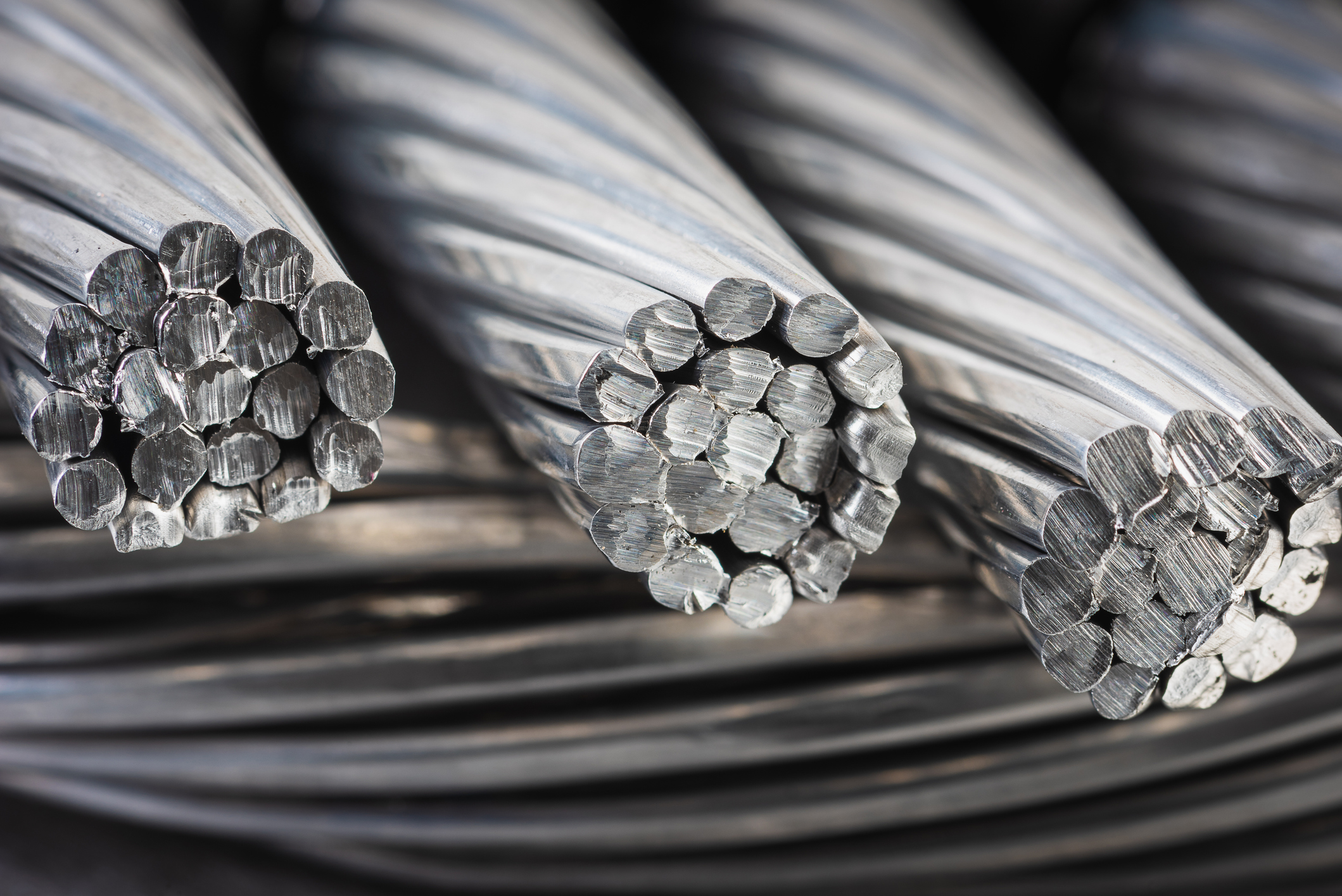
Rio Tinto and Prysmian have launched an industrial trial to develop lower-carbon aluminum cables for the rapidly expanding data center market, combining advanced smelting methods with cable manufacturing technologies aimed at reducing the environmental footprint of digital infrastructure. The companies said the pilot project uses aluminum produced through a blend of Rio Tinto’s hydropower-based smelting operations and emerging zero-emissions technology.
For the trial, Rio Tinto produced aluminum rod using material from its Alma smelter in Quebec, Canada, which is powered by hydroelectric energy, together with aluminum generated using the ELYSIS process. The ELYSIS technology removes direct greenhouse gas emissions from the traditional aluminum smelting process and releases oxygen instead of carbon dioxide, a development widely viewed by industry analysts as a potential breakthrough for decarbonizing primary aluminum production.
The initiative builds on a five-year supply agreement signed by the companies in 2023 and reflects growing collaboration between metals producers and cable manufacturers to supply lower-carbon materials for energy and digital infrastructure. Observers say such partnerships are becoming more common as industrial customers seek materials with verified emissions reductions to meet corporate climate targets.
Demand from the data center sector has emerged as a key driver. Research from commodities consultancy CRU indicates that data centers accounted for about 7 percent of total cable demand in North America in 2025. The firm expects demand from the sector to grow at an annual rate of roughly 17 percent between 2026 and 2030 as cloud computing, artificial intelligence and digital services expand.
Aluminum is also expected to play a larger role in power distribution systems inside large data center campuses. Analysts note that the metal offers a lighter and more cost-efficient alternative to copper in certain cable applications, particularly where long power distribution lines are required across server facilities.
Matt Schicke, interim vice president of sales and marketing for Rio Tinto aluminum, said the trial demonstrates how combining the company’s low-carbon aluminum portfolio with new smelting technologies could support customers seeking to decarbonize energy-intensive infrastructure. Prysmian, one of the world’s largest cable manufacturers, is evaluating the material as part of its efforts to reduce supply chain emissions while meeting rising demand from digital infrastructure projects.
Srinivas Siripurapu, Prysmian’s chief sustainability, research and innovation officer, said the collaboration supports the company’s goal of achieving net-zero emissions by 2035 while offering customers materials aligned with similar climate commitments.
Industry observers say that as hyperscale data centers proliferate worldwide, suppliers of metals, power systems and construction materials are under increasing pressure to demonstrate lower-carbon production pathways. Trials involving low-emissions aluminum could play a role in reshaping how critical infrastructure components are sourced in the future.
Further testing will evaluate the performance and scalability of the new cable materials as both companies explore potential commercial applications across energy transmission and digital infrastructure markets.
Source: Rio Tinto
SUNSHINE Spotlight: A new industrial trial linking low-carbon aluminum with advanced cable manufacturing highlights how the data center boom is accelerating demand for lower-emissions infrastructure materials.


