


Neste Starts Up Large Plastic Waste Upgrading Unit to Scale Chemical Recycling


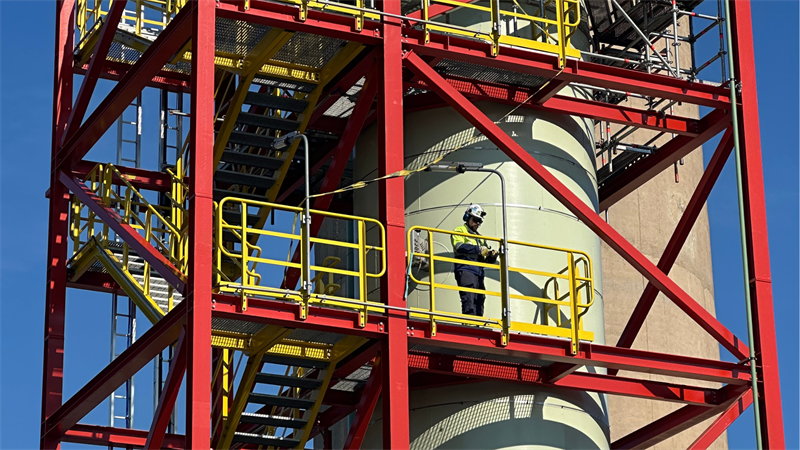
Photo Credit: Neste
Finland-based energy and renewables company Neste has commissioned a large-scale upgrading facility for liquefied waste plastic at its refinery in Porvoo, marking a step forward in efforts to industrialize chemical recycling. The project aims to convert difficult-to-recycle plastic waste into high-quality feedstock for new plastics and chemical production, expanding supply options for manufacturers seeking recycled raw materials.
The new unit, located within Neste’s existing refining complex, represents an investment of approximately €111 million. Once fully ramped up, the facility will be able to process as much as 150,000 tonnes of liquefied waste plastic annually, making it one of the largest installations globally dedicated to upgrading plastic-derived oils for petrochemical use.
Construction began in 2023 as part of a broader effort to integrate advanced recycling technologies into the refinery’s operations. The project reached mechanical completion at the end of 2025, with commissioning completed recently and production ramp-up beginning in 2026. According to the company, output levels will gradually increase in the coming years depending on market demand and regulatory developments affecting recycled content.
The plant processes liquefied waste plastic, commonly referred to as pyrolysis oil, which is produced from plastic waste streams through thermal conversion processes. These feedstocks are typically derived from materials that cannot be handled through conventional mechanical recycling systems, such as multi-layer packaging, mixed plastics, or contaminated plastic waste.
At the Porvoo facility, the liquefied plastic waste is further upgraded and co-processed alongside crude oil within the refinery. This process improves the quality of the recycled feedstock so that it can meet the stringent requirements of petrochemical producers manufacturing new plastic materials.
Neste has been processing liquefied plastic waste since 2020, initially at smaller scale. The new upgrading unit is designed to bridge the quality gap between raw plastic-derived oils and the standardized feedstocks required by chemical manufacturers. By doing so, the company aims to support the broader adoption of chemically recycled inputs within existing petrochemical supply chains.
Chemical recycling technologies are increasingly viewed as a complement to mechanical recycling, particularly for plastic streams that are degraded, mixed or otherwise unsuitable for traditional reprocessing methods. Industry stakeholders argue that advanced recycling systems could help divert plastic waste from incineration and landfills while expanding the supply of recycled materials available to manufacturers.
Neste said the upgraded feedstocks from the new facility will be allocated to its recycled product portfolio using a mass balance approach. Under this accounting system, recycled raw materials introduced into the refining process are attributed to specific products, enabling downstream customers to claim recycled content in their materials.
According to the company, using its recycled feedstocks to replace conventional fossil-based inputs in plastics production can significantly reduce environmental impacts. When compared with incinerating plastic waste and producing plastics from virgin fossil resources, the process may cut fossil resource consumption by more than 70% and reduce greenhouse gas emissions by over 35%, based on internal assessments.
The investment comes as policymakers and manufacturers seek ways to increase recycled content in plastic products and packaging. However, the regulatory framework governing how recycled content is calculated remains under debate in Europe.
Neste has raised concerns that current accounting rules under the EU Single-Use Plastics Directive could limit the role refineries play in supplying recycled feedstocks for plastics manufacturing. The company argues that refining processes should be recognized more explicitly within the upcoming EU Packaging and Packaging Waste Regulation to support the region’s recycling targets and maintain competitiveness.
Alongside operating the Porvoo facility, Neste is also working with technology partners to expand the availability of plastic liquefaction technology used in chemical recycling. The company collaborates with Alterra Energy and Technip Energies to license technologies capable of converting hard-to-recycle plastic waste into liquefied feedstocks suitable for further upgrading.
As demand for recycled polymers increases across packaging, consumer goods and industrial sectors, projects such as the Porvoo upgrading unit could play a role in scaling advanced recycling capacity. Industry analysts say integrating chemical recycling processes with existing refinery infrastructure may help accelerate the development of circular supply chains for plastics.
Source: NESTE
SUNSHINE Spotlight: Neste’s new Porvoo facility highlights the growing role of refinery-integrated chemical recycling in transforming difficult plastic waste streams into industrial-scale recycled feedstocks for the global petrochemical sector.


