


Closed Loop Partners Report Highlights Opportunities to Boost Recycling of Prescription Pill Bottles


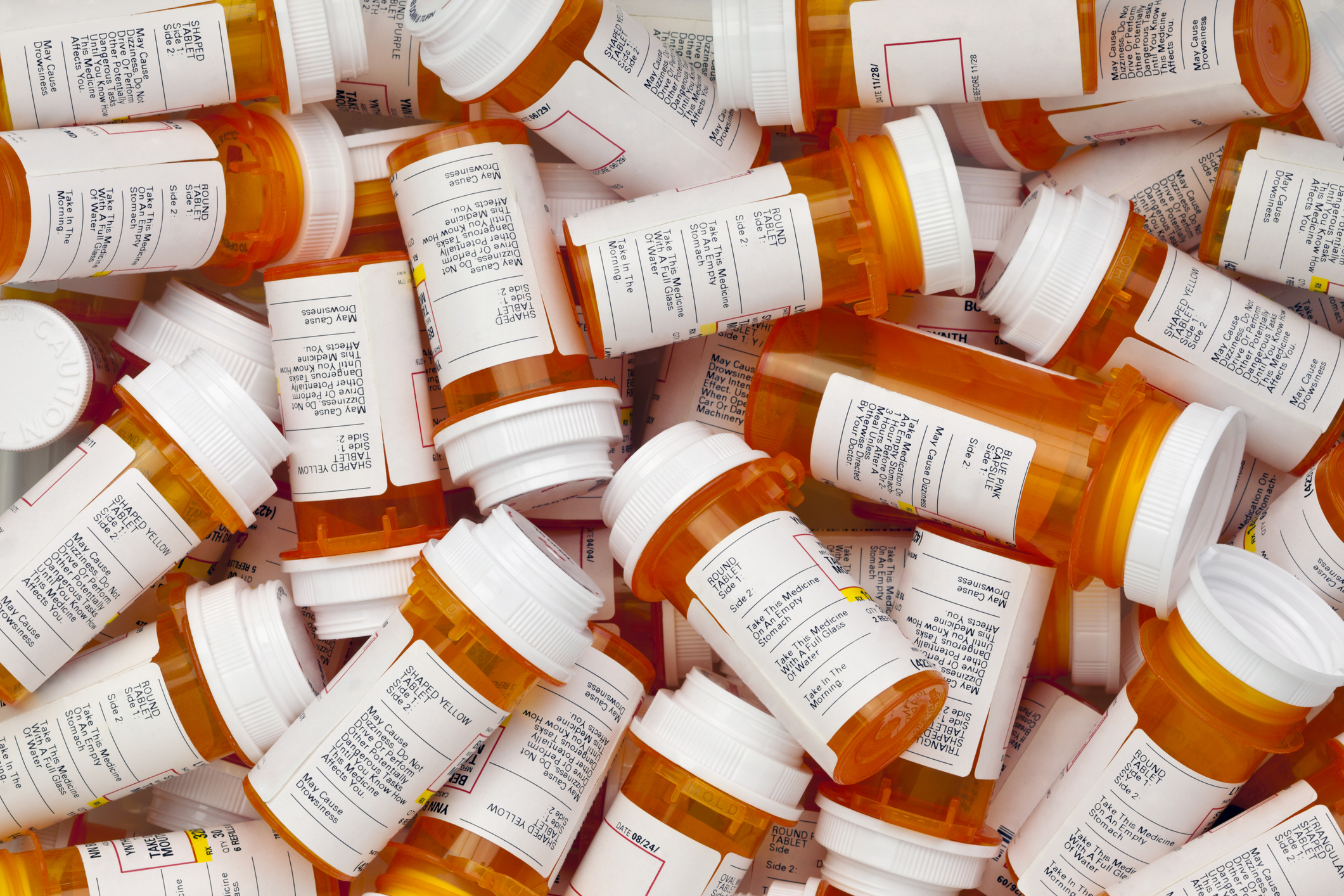
According to a report released by the Closed Loop Partners’ Center for the Circular Economy, significant opportunities exist to improve the recovery and recycling of prescription pill bottles in the United States. The findings provide a data-driven assessment of how this widely used form of healthcare packaging could contribute to broader circular economy goals if key structural and operational barriers are addressed.
The report estimates that each year in the U.S., up to 17,000 tonnes of bulk packer bottles and caps, along with approximately 61,000 tonnes of consumer-facing prescription bottles, are discarded. Despite being made from high-density polyethylene (HDPE) and polypropylene (PP), materials with established recycling markets, most of these items are currently landfilled or incinerated.
Prescription pill bottles present a unique challenge due to their dual role within both healthcare and consumer packaging systems. While they are subject to strict regulatory and safety requirements typical of healthcare plastics, they also function as small-format consumer packaging once dispensed to patients. This combination places them outside conventional recycling streams, particularly as small items are often not effectively captured in U.S. curbside systems.
The report identifies multiple pathways to improve recovery across the value chain, including enhanced collection, aggregation, and sorting systems. For bulk packer bottles used within pharmacies and healthcare facilities, controlled environments may offer more immediate opportunities for recovery. In contrast, consumer-facing bottles require greater engagement through take-back programs and improved public participation.
Health, safety, and privacy considerations are also highlighted as critical factors. Prescription containers may contain sensitive patient information or residual pharmaceuticals, requiring careful handling protocols that differ from typical packaging waste streams. These constraints must be addressed alongside efforts to scale recycling infrastructure.
The analysis further outlines the importance of aligning stakeholders across the pharmaceutical and recycling ecosystems. Retail pharmacies, manufacturers, distributors, and recyclers all play a role in improving recovery rates. The report suggests that coordinated action will be necessary to overcome fragmentation in collection systems and ensure sufficient volumes for economically viable recycling.
In addition, the study points to the need for innovation in sorting technologies and data systems to better capture small-format plastics. Expanding end markets for recycled HDPE and PP from healthcare applications will also be critical to sustaining long-term circularity.
The report builds on earlier research into small-format packaging recovery, positioning prescription pill bottles as a practical starting point for addressing a broader category of hard-to-recycle plastics. By piloting targeted recovery models and scaling successful approaches, stakeholders may be able to extend lessons learned to other healthcare packaging streams.
As healthcare systems face increasing scrutiny over plastic waste, the findings underscore the potential to reduce environmental impact while maintaining compliance with regulatory and safety standards. The report encourages industry participants to evaluate both near-term actions and longer-term strategies to improve material recovery.
Source: Closed Loop Center
SUNSHINE Spotlight: The report highlights prescription pill bottles as an overlooked but scalable opportunity to advance circularity in healthcare plastics through coordinated system-wide action.


