


U.S. DOE Targets Gaps in E-Waste Recovery to Strengthen Domestic Critical Materials Supply


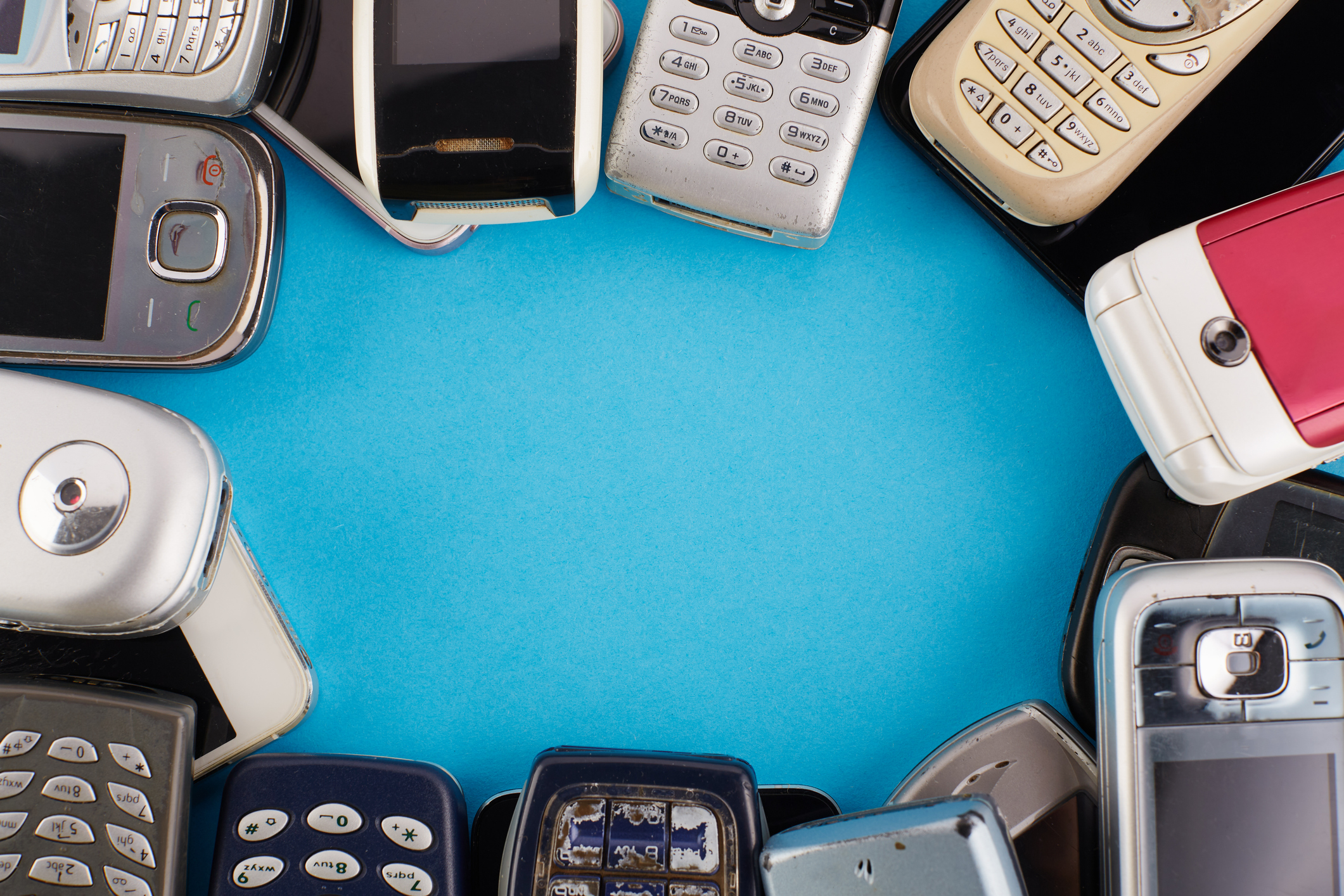
The United States generates an estimated 6.7 million tons of electronic waste annually, but only around 16% is collected for recycling, according to figures cited in industry reporting from a 2024 U.S. Environmental Protection Agency assessment. The gap highlights an opportunity to recover more valuable materials from discarded electronics, including lithium, cobalt, nickel, copper and rare earth elements, which are used in batteries, circuit boards, hard drives and other electronic components.
Against this backdrop, the U.S. Department of Energy (DOE) has launched the Accelerator for Supply Chain, Economy, and National Development (ASCEND), a national laboratory-led initiative focused on improving the domestic recovery, processing and recycling of materials from end-of-life electronics. The program is led by Idaho National Laboratory, with participation from the National Laboratory of the Rockies and Oak Ridge National Laboratory, and receives funding through DOE's Advanced Materials and Manufacturing Technologies Office.
Rather than concentrating on a single recycling technology, ASCEND will initially examine the economic and operational barriers affecting different electronic scrap streams. Researchers will assess the costs of recovering critical materials, identify weaknesses in existing supply chains and engage companies across the recycling industry to understand what is limiting collection, processing and material reuse. The findings will help determine which technologies and capabilities should receive further attention.
Research at the participating laboratories also provides a starting point for this work. Idaho National Laboratory has been developing electrochemical and biological approaches intended to reduce chemical use and energy consumption during material recovery. Oak Ridge National Laboratory has developed automated equipment for dismantling computer hard drives and recovering rare earth magnets, with related technologies moving toward commercial application.
For the recycling industry, the challenge extends beyond developing more efficient processing equipment. Electronic waste contains complex mixtures of metals, plastics and electronic components, making collection, sorting and material separation costly. Even when valuable materials are recovered, their composition and quality must meet the requirements of downstream manufacturers. Improving collection networks and making recovery processes economically viable will therefore be important to increasing the amount of secondary materials returned to domestic supply chains.
Source: U.S. Department of Energy (DOE)
SUNSHINE Spotlight: Electronic waste represents an important secondary source of copper, lithium, cobalt and rare earth materials, but low collection rates and complex processing requirements continue to limit recovery. DOE's initiative highlights the need to address the entire recycling chain, from collection and sorting to refining and the reintegration of recovered materials into manufacturing.


