


Türkiye Workshop Sets Priorities for 2053 Plastic Recycling Strategy


Türkiye has outlined a series of recommendations for its 2053 Türkiye Plastic Vision following a two-day national workshop in Istanbul that brought together 600 representatives from 17 ministries. Organized by the Zero Waste Foundation under the “Zero Waste for the Future – Common Mind Platform” on August 31 and September 1, the workshop examined the country’s plastic value chain through 15 thematic working groups.
The recommendations are also expected to support Türkiye’s preparations for COP31, which the country is scheduled to host from November 9 to 20, 2026. Zero Waste Foundation President Samed Ağırbaş said the country’s plastic waste challenges require closer coordination between national policy and local waste-management experience.
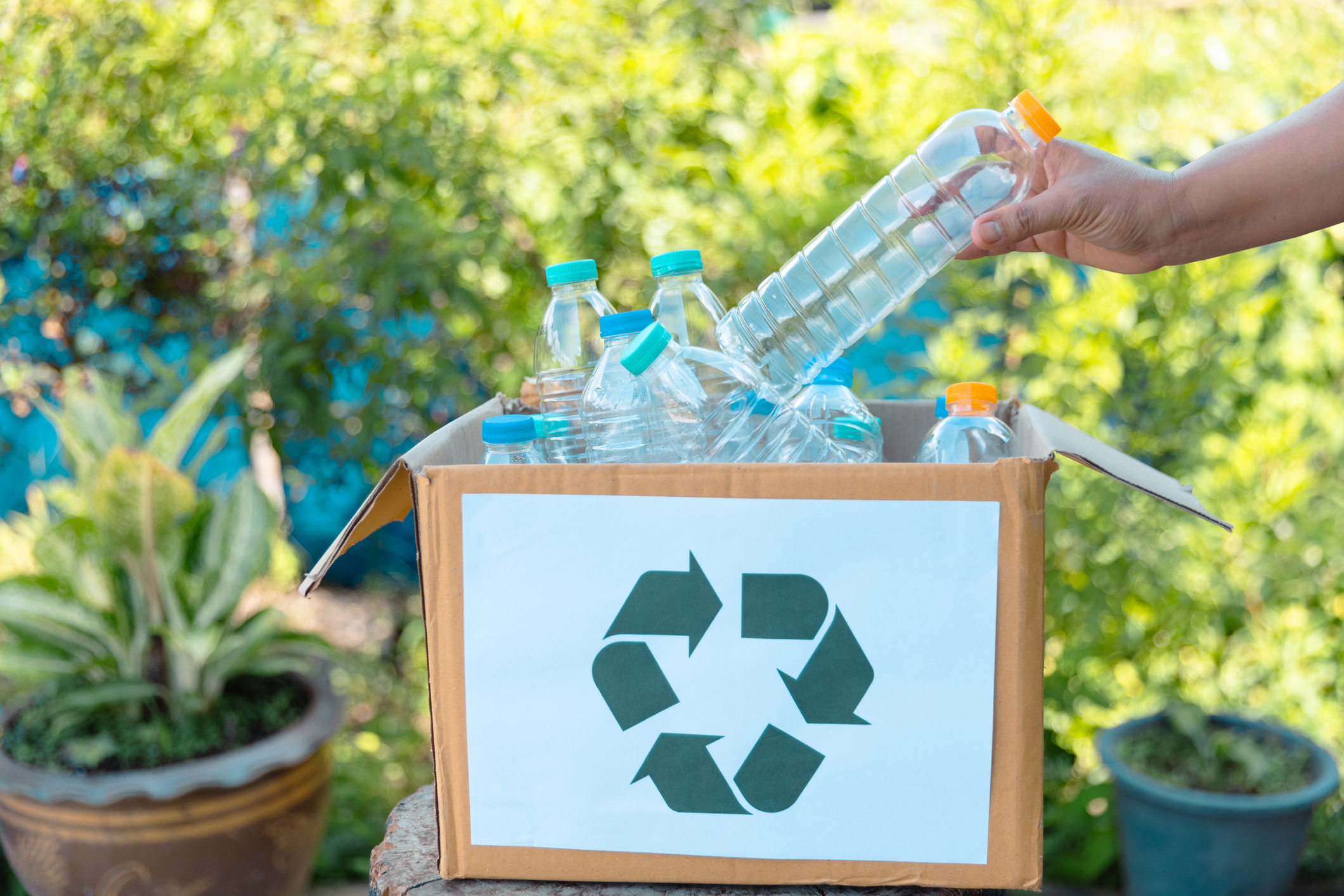
Participants identified source-separated collection as a basic requirement for improving plastic recycling and increasing the use of secondary raw materials. The proposals call for sustainable financing, stronger licensed recycling operators, tighter inspections, reduced informal activity and greater public awareness. Expanding the use of recycled materials was also linked to efforts to reduce Türkiye’s dependence on imported primary raw materials.
The working groups recommended clearer eco-design requirements and implementation schedules, together with data systems capable of verifying environmental claims. Participants also called for closer coordination between product design and recycling infrastructure so that recyclable products are supported by adequate collection and processing capacity.
Agricultural and food-related plastic waste was identified as another priority. Recommendations included separate collection and tracking systems, while digital infrastructure would be expanded to monitor plastic waste from its point of generation through final processing. Participants also called for common measurement and analytical methods for microplastics and nanoplastics, alongside stronger laboratory and risk-assessment capabilities.
Financing was another focus of the workshop, with participants proposing mechanisms linked to verified data and sector performance, coordinated incentives under a single roadmap and a multi-stakeholder transformation mechanism covering 2027-2031.
Hasan Can Okutan of Istanbul Technical University said Türkiye still faces bottlenecks in raw-material access. While the country has developed capabilities in mechanical recycling, he said further development of chemical recycling technologies is needed.
The final recommendations include a National Plastics Strategy and Action Plan, stronger investment and industrial transformation capacity during 2027-2031, and an objective of developing Türkiye into a regional circular plastics hub by 2053. Börte Köse Mutlu, director of the Zero Waste Institute at Istanbul Technical University, said the initiative would build on Türkiye’s existing experience in waste management and plastic raw-material recycling.
Source: Sustainable Packaging Middle & East Africa
SUNSHINE Spotlight: Türkiye’s proposed 2053 plastics roadmap prioritizes source-separated collection, recycled material use, digital waste tracking and expanded recycling capacity, including chemical recycling.


