


EU Research Advances Marine Plastic Recycling with Sorting Purity Exceeding 95%


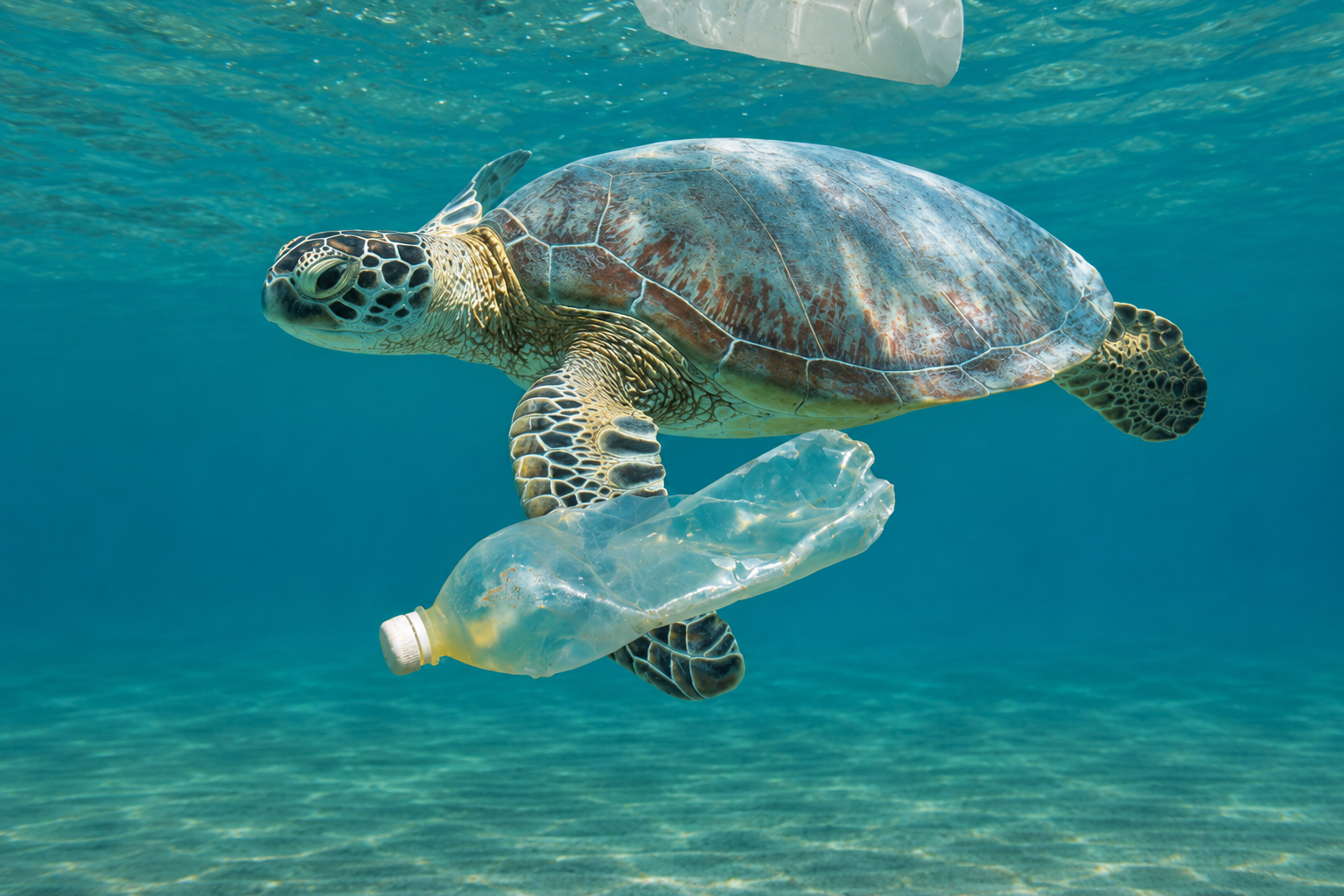
Photo Credit: REA
The European Union (EU) has supported new research into marine plastic recovery, with an international project demonstrating a sorting technology capable of achieving plastic purity levels above 95%. The findings come from CUPOLA, a four-year research initiative supported by the EU's Marie Skłodowska-Curie Actions (MSCA) Staff Exchanges programme, which focuses on improving the separation and conversion of contaminated marine plastics into usable resources.
One of its key findings is a sorting technology capable of achieving plastic purity levels above 95%. Marine plastic is difficult to process because it often contains mixed polymers, sand, salt and other contaminants. Improving separation quality is therefore essential to producing materials suitable for further recycling.
The research involved 15 research institutes and examined both mechanical sorting and thermochemical processing. Particular attention was given to pyrolysis, which breaks down plastics in the absence of oxygen, and gasification, which converts carbon-rich waste into synthesis gas. Potential applications include industrial chemicals, fuels, functional carbon materials, sustainable composites and asphalt.
Researchers also assessed process models and economic feasibility to evaluate the potential for industrial application. The next step is to establish a pilot-scale facility to test the technologies under real operating conditions. Commercial deployment, however, has not yet been established.
The project is part of broader EU efforts to address plastic pollution. According to the European Research Executive Agency, around 32 million tonnes of plastic waste are generated annually in the EU. Since 2014, MSCA has supported 824 ocean- and water-related projects with combined funding of €441 million, involving more than 4,000 researchers. These figures cover the wider programme rather than CUPOLA alone.
For the recycling industry, the findings highlight the importance of combining effective sorting with suitable downstream processing. Higher-purity recovered plastics could create additional opportunities for chemical recycling, particularly for contaminated waste streams that are difficult to handle through conventional mechanical methods. Further pilot testing will be needed to determine whether these technologies can be applied economically at a larger scale.
Source: REA
SUNSHINE Spotlight: Marine plastic recovery involves more than collecting waste from oceans and coastlines. Contamination and mixed polymer compositions remain major obstacles to producing usable recycled materials. Advances in sorting and thermochemical processing could expand the range of marine plastic waste suitable for resource recovery, although commercial viability will depend on processing costs, material quality and the results of further pilot-scale testing.


